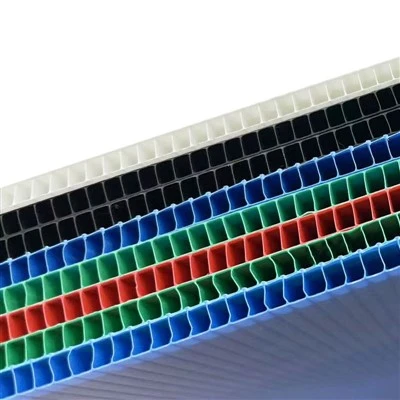
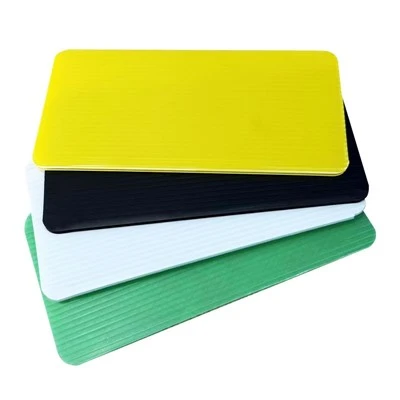
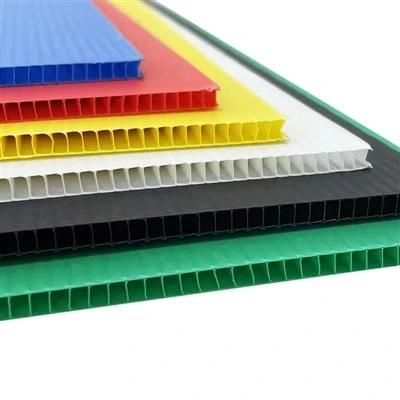
PP Automotive Parts Box Dividers are twin-wall hollow polypropylene partitions used inside returnable boxes, totes, trays, and industrial containers to separate automotive components into defined cells. The divider structure is matched to the component profile and usable container space, with thickness, divider height, cell layout, slot position, and panel dimensions confirmed for the required packing arrangement. They are used for component handling, warehouse storage, line-side supply, internal movement, and return transport.
Key Benefits
Defined Part Position
A fixed cell structure keeps components arranged in known positions during loading, storage, movement, and unloading.
Controlled Contact
Individual cells create separation between adjacent components and help keep specified contact areas apart during handling.
Efficient Pack Layout
The divider grid can be arranged around the component dimensions and container footprint to make practical use of the available packing space.
Repeatable Handling
The same divider configuration can be used with the corresponding container and component arrangement across repeated handling and return cycles.
Divider Configuration
Cell Layout
Rows, columns, cell dimensions, and component orientation are established from the actual part arrangement rather than a standard grid pattern.
Divider Height
Divider height is matched to the container depth, component height, and required separation area. The confirmed height becomes part of the production drawing.
Slot Position
Slot positions determine how cross panels engage and how the final cells are formed. Slot dimensions are confirmed with the selected board thickness.
Panel Direction
Panel length, width, slot direction, and assembly orientation are coordinated to produce the required internal layout.
Specifications
|
Parameter |
Specification |
|
Material |
Polypropylene (PP) (Standard / ESD Anti-static / Conductive options available) |
|
Structure |
Twin-wall hollow / corrugated |
|
Thickness |
2–12 mm |
|
Grammage / Density |
400–2500 g/m² (customizable based on load-bearing requirements) |
|
Sheet Width |
50–2400 mm |
|
Sheet Length |
Up to 3000 mm (customizable) |
|
Standard Sheet Size |
4 × 8 ft available (subject to configuration) |
|
Color |
White, black, blue, natural-translucent, custom |
|
Processing |
Cutting, slotting, die-cutting, creasing, edge sealing |
|
Configuration |
Flat, slotted, comb, custom cell layout |
Customization Options
Container Size
Overall divider dimensions can be matched to the internal length, width, and depth of the existing container.
Part Layout
Cell quantity, spacing, orientation, divider height, and slot locations can be specified from component drawings, packaging drawings, dimensions, or physical samples.
Board Thickness & Density
Thickness from 2–12 mm and corresponding grammage can be selected according to the divider structure, panel height, component weight, and handling conditions.
Material Properties
Options include standard PP, Anti-static (ESD), and Conductive materials specifically for sensitive automotive electronic components.
Color and Marking
White, black, blue, natural-translucent, and custom colors are available. Printing and identification requirements can be incorporated into the confirmed layout.
Automotive Applications
Molded Components
Used for interior trim, covers, housings, plastic assemblies, and other molded parts requiring defined placement during handling and storage.
Metal Components
Suitable for brackets, stamped parts, machined components, fittings, and other metal parts requiring organized separation inside containers.
Electrical Components
Applicable to connectors, switches, housings, control components, and related automotive electrical parts requiring individual cells, supported by ESD-safe material options.
Line-Side Handling
Cell layouts can support organized component picking, production-line replenishment, work-in-process movement, warehouse storage, and return transport.
Production & Quality Control
PP Sheet Production
Twin-wall PP sheet is produced through precise extrusion, with optional ESD compounding, before being converted into divider panels according to the confirmed configuration.
Dimensional Processing
Cutting and slotting are processed from the approved dimensions, drawing, or physical reference supplied for the project.
Configuration Inspection
Finished dividers can be checked for board thickness, grammage, overall dimensions, cell dimensions, divider height, slot position, surface resistivity for ESD variants, color, and quantity.
Packing Preparation
Divider sets are grouped according to the confirmed configuration and prepared for shipment and installation into the corresponding containers.
How to Specify
Component Data
Provide part length, width, height, weight, loading orientation, surface protection requirements, and any areas requiring controlled separation.
Container Data
Provide internal length, width, depth, opening dimensions, and usable packing space.
Layout Data
Specify cell quantity, cell dimensions, divider height, slot arrangement, loading direction, and required clearance.
Order Data
Include thickness, grammage, material grade (Standard vs. ESD), color, processing requirements, quantity, packing method, destination, and available drawings or samples.
FAQ
Q: What thicknesses and grammages are available?
A: PP divider boards are available in 2–12 mm thicknesses with customized grammages (400–2500 g/m²). The suitable specification depends on the divider configuration, panel height, component weight, and handling conditions.
Q: Can the dividers fit an existing returnable container?
A: Yes. Overall dimensions, cell layout, divider height, and slot positions can be matched to the usable internal dimensions of an existing box, tote, tray, or container.
Q: Are ESD anti-static options available for electronic automotive parts?
A: Yes. ESD anti-static and conductive PP sheet options are available to protect sensitive automotive electronic connectors, sensors, and control units from electrostatic discharge.
Q: Can the divider layout be made from a component drawing?
A: Yes. Component drawings, packaging drawings, dimensional data, and physical samples can be used to establish the required cell arrangement and production dimensions.
Q: What information should be included in an inquiry?
A: Part dimensions, container dimensions, required cell layout, thickness, material requirements (ESD), quantity, color, processing requirements, and available drawings or samples provide the main information needed for specification review.
Hot Tags: pp automotive parts box dividers, China pp automotive parts box dividers manufacturers, suppliers, factory, coroplast fluted polypropylene sheet, pp board sheet, pp flute sheet, pp hollow board, pp hollow construction board, white plastic board for signs