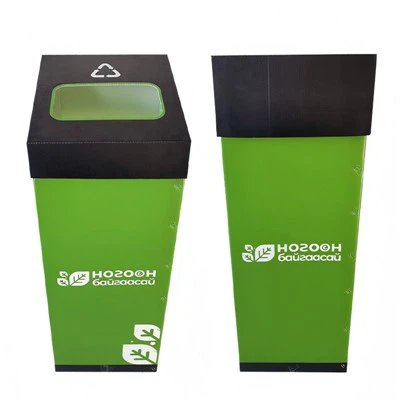
As a supplier of PP Hollow Sheets, I understand the importance of safety when using these versatile products. PP Hollow Sheets, also known as Corrugated Polypropylene Sheet, PP Corrugated Plastic Sheet, and PP Hollow Corrugated Sheet, are widely used in various industries due to their lightweight, durable, and cost - effective nature. However, to ensure a safe working environment and optimal performance, certain safety precautions should be taken.
1. Personal Protective Equipment (PPE)
When handling PP Hollow Sheets, wearing appropriate PPE is crucial. This includes safety glasses or goggles to protect your eyes from any flying debris or small particles that may be generated during cutting, drilling, or shaping the sheets. Even though PP Hollow Sheets are relatively smooth, there is still a risk of small fragments breaking off during processing.
Gloves are also essential. They not only protect your hands from cuts and abrasions but also from any chemicals that may be used in the manufacturing process or added during surface treatments. For example, if the sheets are coated with anti - static agents or fire - retardant materials, gloves can prevent direct skin contact with these substances.
In some cases, especially when working in a large - scale production environment or in an area with poor ventilation, a dust mask may be necessary. Cutting or sanding PP Hollow Sheets can generate fine dust particles, which, if inhaled, may cause respiratory problems over time.
2. Handling and Storage
Proper handling of PP Hollow Sheets is vital to prevent damage to the sheets and to ensure the safety of the handlers. When lifting the sheets, use proper lifting techniques. Bend your knees, keep your back straight, and lift with your legs. This helps to avoid back injuries, especially when dealing with large or heavy sheets.
During storage, stack the sheets in a stable and secure manner. Make sure the storage area is dry and well - ventilated. PP Hollow Sheets can be damaged by excessive moisture, which may cause warping or degradation over time. If possible, store the sheets in a rack system that keeps them off the ground and allows for easy access.
Avoid storing the sheets near sources of heat or open flames. PP is a thermoplastic, and exposure to high temperatures can cause the sheets to melt or deform. This not only ruins the product but also poses a fire hazard.
3. Cutting and Shaping
When cutting or shaping PP Hollow Sheets, use the appropriate tools. A sharp utility knife or a fine - toothed saw is suitable for most cutting tasks. Dull tools can cause the sheets to crack or splinter, increasing the risk of injury.
Before starting the cutting process, mark the cutting line clearly. This helps to ensure accurate cuts and reduces the chance of mistakes that could lead to waste or injury. When using power tools, such as a circular saw, follow the manufacturer's instructions carefully. Keep your hands a safe distance from the blade and use a push stick if necessary to guide the sheet through the saw.
During the cutting process, be aware of the direction of the cut. Some PP Hollow Sheets have a specific grain or corrugation pattern, and cutting against this pattern may result in a rough or uneven edge.
4. Chemical Exposure
Although PP Hollow Sheets are generally chemically resistant, they may come into contact with various chemicals during their use. If you need to clean the sheets or use chemicals for surface treatments, make sure you are familiar with the properties of the chemicals.
Read the safety data sheets (SDS) of the chemicals before use. These sheets provide information on the hazards, handling procedures, and emergency response measures for each chemical. Always use chemicals in a well - ventilated area to avoid inhaling toxic fumes.
If a chemical spill occurs, clean it up immediately. Use appropriate absorbent materials and follow the proper disposal procedures for the chemicals. Do not let the chemicals come into contact with other materials or equipment that may be damaged.
5. Fire Safety
PP Hollow Sheets are flammable, so fire safety is a significant concern. Keep the sheets away from open flames, sparks, and high - heat sources. In a work environment, have fire extinguishers readily available and make sure all employees are trained in their use.


If possible, choose fire - retardant PP Hollow Sheets for applications where there is a higher risk of fire. These sheets are treated with special chemicals that slow down the spread of fire and reduce the risk of ignition.
In case of a fire, follow the established fire safety procedures. Evacuate the area immediately and call the fire department. Do not attempt to fight a large fire on your own.
6. Installation
When installing PP Hollow Sheets, make sure the installation surface is clean, dry, and level. Uneven surfaces can cause the sheets to crack or warp during installation. Use the appropriate fasteners, such as screws or clips, and follow the recommended spacing and installation methods.
If the installation involves working at heights, use proper fall - protection equipment, such as safety harnesses and scaffolding. Ensure that the scaffolding is stable and properly assembled.
During the installation process, be careful not to over - tighten the fasteners. Over - tightening can cause the sheets to crack or break, especially around the fastening points.
7. Training and Education
Provide comprehensive training to all employees who will be working with PP Hollow Sheets. This training should cover all aspects of safety, including handling, storage, cutting, and installation. Make sure employees understand the potential hazards and the safety precautions they need to take.
Regularly review and update the safety training program to keep up with new safety regulations and best practices. Encourage employees to report any safety concerns or incidents immediately so that corrective actions can be taken.
8. Environmental Considerations
In addition to personal safety, it is important to consider the environmental impact of using PP Hollow Sheets. When disposing of waste or damaged sheets, follow local environmental regulations. PP is a recyclable material, and recycling the sheets can reduce waste and conserve resources.
If the sheets are contaminated with chemicals or other hazardous materials, special disposal procedures may be required. Do not dispose of these sheets in regular trash bins. Instead, contact a licensed waste disposal company that can handle hazardous waste properly.
Conclusion
In conclusion, using PP Hollow Sheets safely requires a combination of proper personal protective equipment, correct handling and storage, appropriate cutting and shaping techniques, awareness of chemical exposure, fire safety measures, proper installation, comprehensive training, and environmental considerations. By following these safety precautions, you can ensure a safe working environment, protect the integrity of the products, and minimize the risk of accidents and injuries.
If you are interested in purchasing high - quality PP Hollow Sheets, we are here to provide you with the best products and solutions. Our team of experts can offer advice on the selection and use of the sheets to meet your specific needs. Contact us to start a discussion about your procurement requirements.
References
- "Plastic Materials Handbook" by Christopher Hall
- Safety guidelines provided by the plastics manufacturing industry associations.