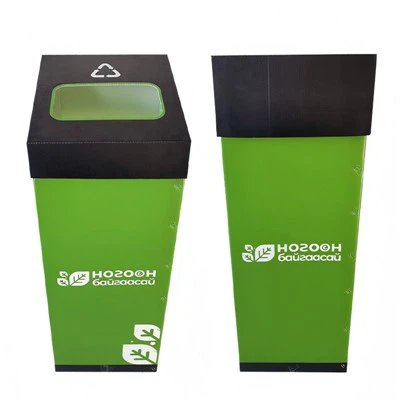
Hey there! As a supplier of PP Divider Boards, I often get asked about the load - bearing capacity of these boards. So, I thought I'd take some time to break it down for you in this blog post.
First off, let's talk a bit about what PP Divider Boards are. PP stands for polypropylene, a type of plastic that's known for its durability, chemical resistance, and relatively low cost. These divider boards are commonly used in various industries, like packaging, storage, and transportation. They're used to separate products, protect them from damage, and keep things organized.
Now, the load - bearing capacity of a PP Divider Board isn't a one - size - fits - all number. It depends on several factors.
Thickness of the Board
One of the most important factors is the thickness of the board. Generally speaking, the thicker the PP Divider Board, the higher its load - bearing capacity. Thicker boards can distribute the weight more evenly and are less likely to bend or break under pressure. For example, a thin PP Divider Board, say around 2mm thick, might only be able to handle a light load, like holding a few small, lightweight items in a storage box. On the other hand, a 6mm or 8mm thick board can support much heavier objects. You can check out Corrugated Plastic Sheets 4x8 for different thickness options that might suit your needs.
Design and Structure
The design and structure of the board also play a huge role. Some PP Divider Boards have a corrugated structure. This corrugation acts like a series of small beams, adding extra strength and rigidity to the board. A Polypropylene Corrugated Plastic Sheet is a great example of this. The corrugations help the board distribute the load more effectively, allowing it to bear more weight without collapsing.
The shape of the board can also matter. For instance, a board with a wider base or a reinforced edge is going to be more stable and able to handle a greater load compared to a board with a narrow or weak edge.


Material Quality
The quality of the polypropylene used in the board is another key factor. High - quality polypropylene has better mechanical properties, which means it can withstand more stress and strain. Inferior quality materials might be more brittle or have inconsistent density, leading to a lower load - bearing capacity. When you're looking for a PP Divider Board, make sure to choose a supplier who uses high - grade polypropylene to ensure you get a board that can handle the load you need it to.
Usage Conditions
The conditions under which the board is used also affect its load - bearing capacity. If the board is used in a stable, flat environment, it can support more weight compared to a situation where it's placed on an uneven surface or in a vibrating environment. For example, if you're using the board in a moving vehicle, the constant vibrations can weaken the board over time and reduce its load - bearing capacity.
Let's look at some real - world examples to give you a better idea of the load - bearing capacity.
In a warehouse storage setting, a 4mm thick corrugated PP Divider Board might be used to separate and support medium - sized boxes. It could typically handle a load of around 10 - 15 kilograms per square meter. However, if you're using an 8mm thick board in the same setting, it could support up to 30 - 40 kilograms per square meter, depending on the other factors we've discussed.
In the packaging industry, a thin PP Divider Board might be used to separate delicate items like glassware or electronics. These boards are designed to provide just enough support to prevent the items from moving and getting damaged. A 2mm thick board might only need to support a few hundred grams per square meter in this case.
If you're in the transportation industry, you might need a sturdier board. A 6mm thick 4x8 Corrugated Plastic board could be used to create partitions in a shipping container. It would need to withstand the weight of the cargo and the movement during transit. Depending on the design and quality, it could handle a load of 20 - 30 kilograms per square meter.
So, how do you determine the right load - bearing capacity for your specific needs? First, figure out what kind of load you need the board to support. Make a list of the items you'll be using the board with, including their weight and size. Then, consider the usage conditions, such as the environment and any potential vibrations.
Based on this information, you can choose a board with the appropriate thickness, design, and material quality. If you're still not sure, don't hesitate to reach out to a supplier. As a PP Divider Board supplier, I'm always happy to help customers figure out the best board for their needs.
If you're interested in purchasing PP Divider Boards, whether it's for storage, packaging, or any other application, I'd love to have a chat with you. We can discuss your requirements in detail and find the perfect board that meets your load - bearing needs.
In conclusion, the load - bearing capacity of a PP Divider Board is determined by multiple factors, including thickness, design, material quality, and usage conditions. By understanding these factors, you can make an informed decision when choosing a board for your specific application.
References
- Plastics Industry Handbook
- Polypropylene Material Science Research Papers