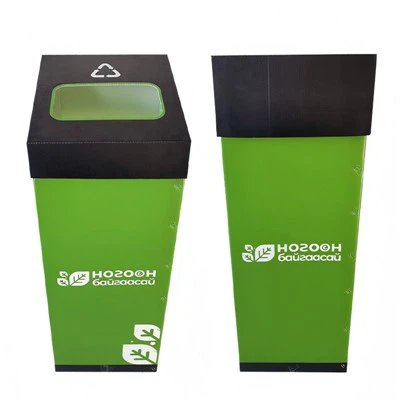
Hey there! As a supplier of PP protective boxes, I've seen firsthand the many advantages these boxes bring to the table. In this blog, I'm gonna share with you why using a PP protective box is a smart choice for various industries and applications.
Lightweight yet Durable
One of the biggest perks of PP protective boxes is their lightweight nature. Polypropylene (PP) is a type of plastic that's known for being relatively light. This means that when you're shipping or transporting goods in these boxes, you're not adding a whole lot of extra weight. It can save you money on shipping costs, especially if you're sending out a large number of boxes.
But don't let the light weight fool you. These boxes are incredibly durable. They can withstand a fair amount of rough handling during transit. Whether it's being tossed around on a conveyor belt in a warehouse or jostled in the back of a delivery truck, a PP protective box will hold up. This durability ensures that your products inside are well - protected from damage. For example, if you're shipping fragile electronics, the box can absorb some of the shocks and vibrations, keeping your gadgets safe.
Chemical Resistance
PP is resistant to many chemicals. This makes PP protective boxes ideal for industries that deal with chemicals or substances that could potentially corrode other types of packaging. For instance, in the pharmaceutical industry, where various medications and chemicals are stored and transported, a PP box can prevent any chemical reactions that might occur if the product came into contact with a less resistant material.
In the food industry, too, chemical resistance is crucial. PP is non - toxic and doesn't react with food products. So, you can safely use these boxes to package all sorts of food items, from fresh produce to processed snacks. It gives you peace of mind knowing that your food won't be contaminated by the packaging material.
Moisture Resistance
Moisture can be a real enemy when it comes to packaging. It can cause products to spoil, rust, or lose their integrity. PP protective boxes are highly moisture - resistant. They don't absorb water easily, which means that your products will stay dry even in humid environments.
Let's say you're shipping wooden furniture. If the furniture gets wet during transit, it could warp or develop mold. But if you use a PP protective box, the moisture from the outside won't seep in, keeping your furniture in top condition. Similarly, for products like paper documents or electronics, moisture resistance is essential to prevent damage.
Reusability and Recyclability
In today's environmentally - conscious world, reusability and recyclability are huge selling points. PP protective boxes can be used multiple times. After you've used a box to ship a product, you can simply clean it and use it again for another shipment. This not only saves you money in the long run but also reduces waste.
And when the box finally reaches the end of its useful life, it can be recycled. PP is a widely recyclable plastic, and recycling it helps conserve natural resources and reduce the amount of plastic waste in landfills. By choosing PP protective boxes, you're making a more sustainable choice for your business and the planet.
Customizability
We understand that every business has different needs when it comes to packaging. That's why PP protective boxes are highly customizable. You can get them in different sizes, shapes, and colors. Whether you need a small box for a jewelry item or a large box for industrial equipment, we can make it happen.
You can also add features like handles, latches, or dividers to the boxes. Handles make it easier to carry the boxes, latches keep the boxes securely closed during transit, and dividers help organize the products inside. And if you want to brand your boxes, we can print your logo, product information, or any other design on the box. This helps with brand recognition and makes your products stand out on the shelves.
Cost - Effectiveness
When you consider all the advantages mentioned above, PP protective boxes are a cost - effective option. Their durability means that you don't have to replace them as often as other types of packaging. The lightweight nature saves on shipping costs, and the reusability further reduces the overall cost per use.


Compared to some other materials like metal or wood, PP is generally less expensive to produce. So, you can get high - quality protective boxes at a lower price point. This is especially beneficial for small and medium - sized businesses that are looking to keep their packaging costs down without compromising on quality.
Applications of PP Protective Boxes
PP protective boxes have a wide range of applications. In the automotive industry, they're used to transport car parts. The boxes can protect the parts from scratches, dents, and damage during shipping. In the electronics industry, as mentioned earlier, they're perfect for packaging delicate electronic components.
In the retail industry, PP boxes can be used for point - of - sale displays. You can customize the boxes to match your store's branding and use them to showcase products attractively. And in the logistics and warehousing industry, these boxes are great for storing and organizing inventory. They stack well, which saves space in the warehouse.
If you're interested in learning more about the different types of PP protective boxes we offer, you can check out our PP Packaging Box, Polypropylene Plastic Box, and PP Corrugated Sheet Box pages on our website.
Conclusion
In conclusion, the advantages of using a PP protective box are numerous. From their lightweight and durable nature to their chemical and moisture resistance, reusability, customizability, and cost - effectiveness, these boxes are a great choice for businesses in various industries.
If you're looking for high - quality PP protective boxes for your products, we'd love to hear from you. Whether you have specific requirements or just want to learn more about our products, don't hesitate to get in touch. We're here to help you find the perfect packaging solution for your business.
References
- "Plastics Technology Handbook", Third Edition, by Howard S. Katz
- "Packaging Materials and Technology" by John A. Robertson