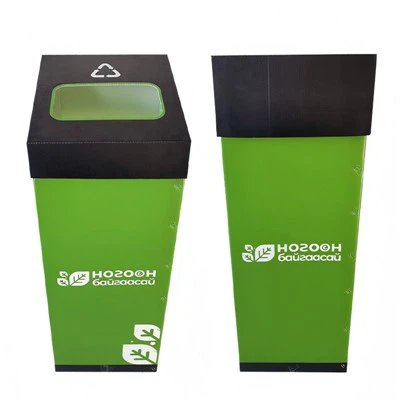
Properly stacking PP hollow boards is crucial for maintaining their quality, ensuring safety in storage and transportation, and optimizing space utilization. As a supplier of PP hollow boards, I've witnessed firsthand the impact of correct and incorrect stacking methods. In this blog, I'll share some valuable insights on how to stack PP hollow boards properly.
Understanding PP Hollow Boards
Before delving into the stacking process, it's essential to understand what PP hollow boards are. PP, or polypropylene, is a thermoplastic polymer known for its excellent chemical resistance, lightweight nature, and high impact strength. PP hollow boards are made by extruding polypropylene resin into a structure with a hollow core and smooth surfaces on both sides. They come in various sizes, thicknesses, and colors, and are widely used in packaging, advertising, agriculture, and construction industries.


Factors to Consider Before Stacking
- Board Dimensions: The size and thickness of the PP hollow boards play a significant role in determining the stacking method. Larger and thicker boards may require more support and a different stacking pattern compared to smaller and thinner ones.
- Weight Capacity: Each board has a specific weight - bearing capacity. When stacking, it's important to ensure that the bottom boards can support the weight of the boards above them without getting damaged.
- Storage Environment: The storage area's temperature, humidity, and ventilation can affect the boards. Extreme temperatures or high humidity may cause the boards to warp or deform over time.
Pre - Stacking Preparation
- Inspect the Boards: Before stacking, carefully examine each board for any signs of damage, such as cracks, scratches, or warping. Damaged boards should be separated and either repaired or discarded to prevent them from affecting the stability of the stack.
- Clean the Boards: Remove any dirt, dust, or debris from the boards. This not only keeps the boards in good condition but also prevents any contaminants from scratching the boards during stacking.
- Sort the Boards: Group the boards by size, thickness, and color. This makes it easier to stack them efficiently and also simplifies the process of retrieving specific boards when needed.
Stacking Methods
- Flat Stacking: This is the most common method for stacking PP hollow boards. Place the boards flat on top of each other, ensuring that they are aligned properly. For larger boards, it's advisable to use pallets to provide a stable base. Make sure the pallets are in good condition and can support the weight of the boards. When stacking multiple layers, you can use spacers between the layers to prevent the boards from sticking together and to improve air circulation.
- Interlocking Stacking: For some applications, interlocking the boards can provide additional stability. This involves arranging the boards in a pattern where the edges of one board fit into the corresponding spaces of the board below it. This method is particularly useful for boards with a specific edge design that allows for interlocking.
- Vertical Stacking: In some cases, especially when space is limited, vertical stacking can be an option. However, this method requires more support to prevent the boards from toppling over. You can use racks or frames designed specifically for vertical storage. Make sure the boards are secured properly to the racks to avoid any movement.
Stacking Height and Stability
- Limit the Stacking Height: To ensure the stability of the stack, it's important to limit the stacking height. The maximum height will depend on the size, thickness, and weight - bearing capacity of the boards. As a general rule, avoid stacking the boards too high, as this can increase the risk of the stack collapsing.
- Use Straps or Bands: For taller stacks, using straps or bands to secure the boards together can enhance stability. Wrap the straps around the stack at regular intervals and tighten them to hold the boards firmly in place.
- Check the Stack Regularly: Periodically inspect the stack to ensure that it remains stable. Look for any signs of shifting, tilting, or damage to the boards. If any issues are detected, take immediate action to correct them.
Space Optimization
- Use Narrow Aisles: When storing stacks of PP hollow boards, design the storage area with narrow aisles. This allows for more efficient use of space while still providing enough room for forklifts or other handling equipment to access the stacks.
- Stack in Rows: Arrange the stacks in rows to create a more organized storage layout. This not only makes it easier to manage the inventory but also maximizes the use of available floor space.
Transportation Considerations
- Secure the Stack for Transport: When transporting PP hollow boards, it's crucial to secure the stack properly to prevent it from shifting or getting damaged during transit. Use tie - downs or other securing mechanisms to hold the stack in place on the transportation vehicle.
- Choose the Right Vehicle: Select a transportation vehicle that is suitable for the size and weight of the stack. Ensure that the vehicle has a flat and stable surface to support the stack.
Related Products for Stacking
- 4x8 Corrugated Plastic: This type of 4x8 Corrugated Plastic is a popular choice for various applications. Its corrugated structure provides additional strength, making it easier to stack and store.
- PP Divider Board: PP Divider Board can be used to separate different layers or sections of the stack. They help prevent the boards from rubbing against each other and getting damaged.
- Rigid Corrugated Plastic Sheets: Rigid Corrugated Plastic Sheets are another option for stacking. Their rigid structure makes them more stable when stacked, and they can also be used as a base for other boards.
Conclusion
Properly stacking PP hollow boards is a combination of understanding the product, following the right procedures, and considering the storage and transportation requirements. By implementing the methods and tips outlined in this blog, you can ensure that your PP hollow boards remain in good condition, optimize space utilization, and enhance safety.
If you're interested in purchasing high - quality PP hollow boards or have any questions about stacking or using them, feel free to contact us for more information and to start a procurement discussion. We're here to provide you with the best solutions for your needs.
References
- "Plastic Packaging Materials: Properties and Applications" by John W. Rhim
- "Handbook of Thermoplastics" edited by O. Olabisi