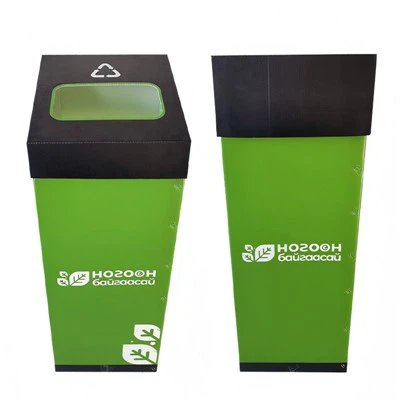
As a supplier of PP turnover boxes, I understand the critical role that loading efficiency plays in various industries. Whether it's for transporting goods, storing products, or facilitating seamless logistics operations, the ability to load PP turnover boxes quickly and effectively can significantly impact productivity and cost - effectiveness. In this blog, I will share some practical strategies to improve the loading efficiency of PP turnover boxes.
1. Optimize Box Design
The design of PP turnover boxes is fundamental to loading efficiency. First, consider the size and shape of the boxes. Standardized sizes are beneficial as they can be easily stacked and arranged in transportation vehicles or storage racks. For example, if you are dealing with a large - scale logistics operation, having a set of boxes with uniform dimensions allows for better space utilization in trucks or warehouses.
Moreover, the shape of the box should be ergonomic. Boxes with smooth edges and well - designed handles make them easier to handle during the loading process. This reduces the time and effort required for workers to pick up, move, and place the boxes. Some of our popular products, like the PP Vegetable Box, are designed with these principles in mind. They are not only sized to fit common transportation and storage spaces but also have user - friendly designs that enhance handling efficiency.
2. Implement Smart Stacking Techniques
Proper stacking is a key factor in improving loading efficiency. When stacking PP turnover boxes, it's important to ensure stability to prevent toppling during transportation or storage. One effective method is to use interlocking features if the boxes are designed with them. Interlocking boxes can be stacked more securely, allowing for higher stacks without the risk of collapse.


Another technique is to stack boxes based on their weight. Heavier boxes should be placed at the bottom, while lighter ones can go on top. This not only ensures stability but also makes it easier to access the boxes when needed. For instance, in a warehouse where products are frequently retrieved, placing the most commonly accessed boxes on the upper levels can save time during the loading and unloading process. Our PP Plastic Packaging Box can be stacked in a variety of ways, and by following these stacking techniques, you can maximize the use of vertical space and improve overall loading efficiency.
3. Utilize Loading Equipment
Investing in appropriate loading equipment can greatly enhance the speed and efficiency of the loading process. Forklifts are a common choice for large - scale operations. They can quickly move multiple boxes at once, reducing the time spent on manual handling. However, it's important to ensure that the forklift operators are well - trained to handle PP turnover boxes safely and efficiently.
Conveyor belts are another useful tool, especially in high - volume production and distribution centers. They can continuously transport boxes from one area to another, eliminating the need for workers to carry boxes over long distances. This not only speeds up the loading process but also reduces the physical strain on workers. For example, in a factory where finished products are being packed into PP Corrugated Bin and then loaded onto trucks, a conveyor belt system can streamline the entire process.
4. Organize Inventory and Loading Areas
A well - organized inventory and loading area is essential for efficient loading. Before starting the loading process, it's important to have a clear understanding of the inventory. This includes knowing the quantity, location, and type of products to be loaded into the PP turnover boxes. By using an inventory management system, you can quickly locate the required products and ensure that the right boxes are used for each item.
The loading area should also be organized. There should be clear lanes for loading equipment, and the boxes should be pre - arranged in an orderly manner. This reduces the time spent searching for boxes and products during the loading process. For example, creating separate zones for different types of products or boxes can make it easier for workers to find what they need quickly.
5. Train Staff
Proper training of staff is crucial for improving loading efficiency. Workers should be trained on how to handle PP turnover boxes correctly, including proper lifting techniques to prevent injuries. They should also be familiar with the loading equipment, such as forklifts and conveyor belts, and know how to operate them safely and efficiently.
In addition, training on stacking techniques and inventory management can further enhance their skills. By providing regular training sessions, you can ensure that your staff is up - to - date with the latest loading methods and best practices. This not only improves loading efficiency but also reduces the risk of accidents and product damage.
6. Analyze and Improve Processes
Regularly analyzing the loading process is necessary to identify areas for improvement. You can collect data on the loading time, the number of boxes loaded per hour, and the amount of product damage during loading. By analyzing this data, you can pinpoint bottlenecks in the process and take appropriate measures to address them.
For example, if you find that a particular type of box is taking longer to load than others, you can investigate the reason. It could be due to its design, the way it is stacked, or the handling method. Once you identify the problem, you can make adjustments, such as modifying the box design or changing the stacking technique.
7. Collaborate with Suppliers and Customers
Collaboration with suppliers and customers can also contribute to improving loading efficiency. With suppliers, you can work together to ensure that the products are delivered in a way that is easy to load into the PP turnover boxes. For example, they can package their products in a way that fits well into the boxes, reducing the need for repackaging.
When it comes to customers, understanding their requirements can help you optimize the loading process. If they have specific handling or storage requirements, you can design the loading process accordingly. This can lead to better customer satisfaction and more efficient logistics operations.
In conclusion, improving the loading efficiency of PP turnover boxes requires a comprehensive approach that includes optimizing box design, implementing smart stacking techniques, utilizing loading equipment, organizing inventory and loading areas, training staff, analyzing processes, and collaborating with suppliers and customers. By implementing these strategies, you can significantly enhance the productivity of your operations and reduce costs.
If you are interested in purchasing high - quality PP turnover boxes or want to discuss how to further improve your loading efficiency, please feel free to contact us for procurement negotiations. We are committed to providing you with the best solutions for your business needs.
References
- "Logistics Management: A Supply Chain Perspective" by Donald J. Bowersox, David J. Closs, and Bixby Cooper
- "Warehouse Management: Best Practices in Inventory Operations" by Bart J. Asmus