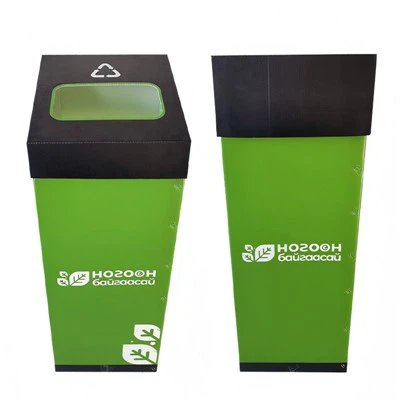
In the world of packaging, finding a solution that offers both protection and cost - effectiveness is a top priority for businesses. As a supplier of PP (Polypropylene) protective boxes, I've had the opportunity to witness firsthand the numerous benefits these boxes bring to the table. In this blog, we'll explore whether PP protective boxes are truly cost - effective, taking into account various factors such as material costs, durability, and environmental impact.
Material Costs
One of the primary considerations when evaluating cost - effectiveness is the initial material cost. PP is a thermoplastic polymer that is widely used in the manufacturing industry due to its relatively low cost compared to some other materials. The raw material for PP is abundant, which helps keep the price down. When producing PP protective boxes, the manufacturing process is also relatively straightforward, which further contributes to cost savings.
Compared to traditional cardboard boxes, PP boxes may have a slightly higher upfront cost. However, it's important to look at the long - term picture. Cardboard boxes are prone to damage from moisture, pests, and rough handling. In contrast, PP boxes are highly resistant to these factors. For example, if you're shipping products that are sensitive to moisture, such as electronics or food items, a cardboard box may not provide adequate protection. A PP protective box, on the other hand, can keep the contents dry and safe, reducing the risk of product damage and potential losses.
Durability
Durability is a key factor in determining cost - effectiveness. PP protective boxes are known for their strength and resilience. They can withstand heavy loads, impacts, and rough handling during transportation and storage. This means that they can be reused multiple times, unlike many cardboard boxes which are often single - use.
Let's take the example of a company that ships industrial parts. Using cardboard boxes, they may find that the boxes get damaged after one or two uses, especially if the parts are heavy or have sharp edges. This leads to the need for continuous replacement of boxes, which adds up in terms of cost. With PP protective boxes, the company can use the same boxes for multiple shipments. The long - term savings on box replacement can be significant.
Moreover, the durability of PP boxes also reduces the likelihood of product damage. When products arrive at their destination in good condition, it enhances customer satisfaction and reduces the cost associated with returns and replacements. This indirect cost - saving aspect is often overlooked but can have a substantial impact on a company's bottom line.
Environmental Impact
In today's environmentally conscious world, the environmental impact of packaging materials is an important consideration. PP is a recyclable material, which means that at the end of its useful life, a PP protective box can be recycled into new products. This reduces the amount of waste going to landfills and contributes to a more sustainable business model.
Some companies may be hesitant to invest in PP boxes due to the perception that they are less environmentally friendly than cardboard. However, when considering the entire life cycle of the product, PP boxes can actually be more sustainable. Cardboard boxes often require a large amount of water and energy to produce, and they may also be treated with chemicals for added strength or moisture resistance. In addition, if cardboard boxes are damaged and cannot be reused, they end up in landfills where they take up space and contribute to greenhouse gas emissions as they decompose.
By choosing PP protective boxes, businesses can demonstrate their commitment to environmental sustainability while also potentially benefiting from cost savings in the long run. For example, some customers may be more likely to do business with a company that uses eco - friendly packaging, which can lead to increased sales and brand loyalty.
Customization and Versatility
PP protective boxes offer a high degree of customization. They can be manufactured in various sizes, shapes, and colors to meet the specific needs of different products and industries. This customization allows businesses to optimize the use of space and ensure that the boxes fit their products perfectly.
For instance, a company that sells small, delicate items may require a custom - sized PP box with internal dividers to keep the items separated and protected. A larger company that ships bulkier products may need a larger, more robust PP box. The ability to customize the boxes means that businesses can avoid over - packaging or under - packaging their products, which can lead to cost savings.


In addition, PP boxes are versatile and can be used in a wide range of industries, including electronics, automotive, food, and pharmaceuticals. This versatility means that a single supplier of PP protective boxes, like myself, can serve multiple industries, which can lead to economies of scale and potentially lower prices for customers.
Comparing with Other Packaging Options
Let's compare PP protective boxes with some other common packaging options.
Corrugated Cardboard Boxes
As mentioned earlier, corrugated cardboard boxes are a popular choice due to their low initial cost. However, they have limitations in terms of durability and moisture resistance. PP boxes offer better protection and can be reused, making them a more cost - effective option in the long term. You can find more information about alternative packaging options like PP Box Packaging.
Wooden Crates
Wooden crates are often used for heavy or large items. While they are strong, they are also relatively expensive to produce and transport. They are also prone to rot and insect infestation. PP boxes are lighter, more resistant to environmental factors, and can be produced at a lower cost. PP Sheet Box provides an alternative that is both lightweight and durable.
Plastic Injection - Molded Boxes
Plastic injection - molded boxes are another option, but they can be expensive to tool up for production. PP protective boxes can be produced using simpler manufacturing processes, which can result in lower costs, especially for small to medium - sized production runs. Corrugated Polypropylene Box is a type of PP box that offers a good balance of strength and cost.
Conclusion
In conclusion, PP protective boxes are indeed cost - effective. While they may have a slightly higher upfront cost compared to some traditional packaging materials, their durability, recyclability, customization options, and long - term savings on product protection and replacement make them a smart investment for businesses.
If you're in the market for high - quality, cost - effective packaging solutions, I encourage you to consider PP protective boxes. As a supplier, I'm committed to providing the best products and services to meet your specific needs. Whether you're a small business looking for a simple packaging solution or a large corporation with complex requirements, I'm here to help. Contact me to discuss your packaging needs and explore how PP protective boxes can benefit your business.
References
- "Packaging Materials: A Comprehensive Guide" by Packaging Institute of America
- "The Economics of Sustainable Packaging" by Green Packaging Council
- "Polypropylene: Properties and Applications" by Polymer Science Journal